The Complete Guide to Choosing Your Dream Wedding Band
Why the Right Wedding Band Matters
Your wedding band is one of the few pieces of jewelry you'll wear every single day. It sits beside your engagement ring, catches the light at dinner, and quietly tells your story for decades.
That's a lot of weight for one small ring to carry — and it's exactly why choosing it deserves more than a quick scroll through a website.
Top things to know when shopping for a women's wedding band:
- Styles: The most popular options include pavé bands, eternity bands, contour bands, and stackable rings.
- Metals: Choose from platinum, yellow gold, white gold, or rose gold — each with different durability and price points.
- Diamonds: Lab-grown diamonds now make up over 40% of new wedding ring sales and cost significantly less than natural diamonds.
- Price range: Women's wedding bands typically start around $300 and can exceed $5,000 depending on metal and stone quality.
- Customization: Custom design services — including CAD modeling and engraving — let you create a band that's truly yours.
- Try before you buy: A one-on-one appointment gives you hands-on fitting and expert guidance that online shopping simply can't match.
Whether you're after a timeless heirloom or something completely one-of-a-kind, sitting down with a jeweler gives you something no online retailer can: an expert you can look in the eye, and a ring you can hold in your hand before you say yes.
Popular Styles and Trends in Women's Wedding Bands
The world of bridal jewelry is incredibly diverse. Today's options go far beyond the traditional plain metal band. Modern brides are mixing traditions, stacking multiple rings, and choosing stones that reflect their distinct personalities.
Classic Diamond Bands and Modern Bridal Sets
For many, nothing compares to the classic sparkle of a diamond. Traditional diamond bands remain a top choice, but the way they are styled has evolved.
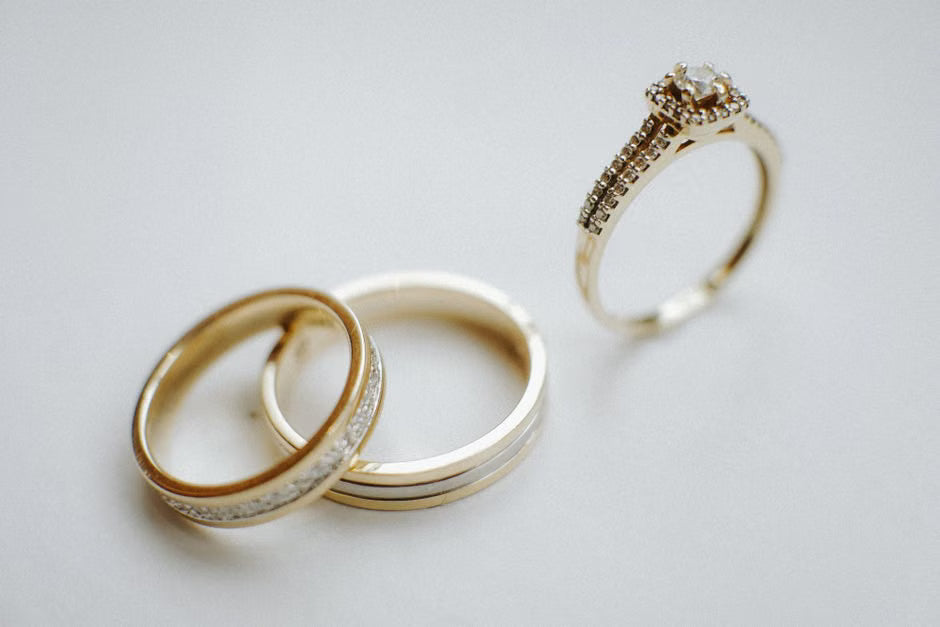
- Pavé Bands: Featuring small diamonds set closely together, pavé bands offer a continuous line of sparkle. They use tiny metal prongs or beads to hold the stones in place, creating a glittering surface that beautifully complements a solitaire engagement ring.
- Eternity Bands: An eternity band features an uninterrupted loop of diamonds wrapping entirely around the finger. It represents eternal love and looks stunning worn alone or stacked.
- Contour and Enhancer Bands: If your engagement ring has a low-profile center stone or an unusual shape (like a pear or marquise cut), a straight band might not sit flush against it. Contour bands sweep around your center stone, while enhancer bands frame your engagement ring on both sides, transforming a simple solitaire into a dramatic, multi-row look.
- Channel Settings: For those with highly active lifestyles, channel-set bands offer excellent security. The diamonds are nestled between two parallel walls of metal, protecting the edges of the stones from daily wear and tear.
Many couples opt for matching sets to ensure their engagement ring and wedding band pair perfectly in scale, metal color, and diamond quality — explore our wedding band collection to see his & hers sets side by side.
Unique and Alternative Styles
If you prefer a ring that stands out from the crowd, you are in luck. Alternative styles have seen a massive surge in popularity, with industry data showing a 35% year-over-year increase in demand for alternative gemstone wedding and engagement rings.
- Alternative Gemstones: Moss agate, sapphires, emeralds, and salt-and-pepper diamonds are highly sought-after. A deep blue sapphire or a forest-green moss agate adds a beautiful pop of color and a nature-inspired feel to your hand.
- Vintage Milgrain and Engravings: Many modern wedding bands incorporate historic design elements. Milgrain — a tiny beaded metal border — gives a ring an instant heirloom quality. Intricate hand-engraving, such as wheat or floral patterns, adds a romantic, tactile texture.
- Rose Gold and Mixed Metals: Rose gold has firmly established itself as a romantic favorite. Its warm, copper-infused tone looks exceptionally striking when paired with bright white diamonds. Many brides are also embracing the mixed-metal look, pairing a yellow gold wedding band with a platinum engagement ring for a modern, curated aesthetic.
Choosing the Right Metal, Style, and Diamond Quality
Selecting your wedding ring involves balancing aesthetics with everyday practicality. Because you will wear this ring through workouts, workdays, and weekend adventures, the materials you select need to match your lifestyle.
Metal Durability and Characteristics
| Metal | Composition & Purity | Durability | Maintenance | Best For |
|---|---|---|---|---|
| Platinum | 95% pure | Extremely durable; resists scratching and wear; develops a natural patina over time. | Low; occasional cleaning, no replating. | Active lifestyles; hypoallergenic needs; maximizing diamond brilliance. |
| White Gold | 14K or 18K gold alloyed with white metals; rhodium plated. | Highly durable; harder than platinum but can scratch. | Medium; rhodium replating every few years to maintain its bright white finish. | Classic white metal look at a lower price point than platinum. |
| Yellow Gold | 14K or 18K gold alloyed with copper and silver. | Highly durable; 14K is more scratch-resistant than 18K. | Low; occasional polishing to restore shine. | Traditionalists; warm skin tones; vintage-inspired designs. |
| Rose Gold | 14K or 18K gold alloyed with copper. | Highly durable; the copper alloy makes it slightly stronger than yellow gold. | Low; no plating needed — keeps its warm blush color forever. | Romantic, vintage, or alternative styles; mixing metals. |
When deciding on a metal, purity affects durability. For instance, 14K gold contains 58.3% pure gold, making it harder and more scratch-resistant than 18K gold (which contains 75% pure gold).
Lab-Grown vs. Natural Diamonds
- What's the difference? Physically, chemically, and optically, lab-grown diamonds are identical to natural diamonds. They feature the exact same carbon crystal structure, hardness (10 on the Mohs scale), and fire. The only difference is their origin: one grew deep within the Earth over billions of years, while the other was grown in a controlled laboratory environment over several weeks.
- The rise of lab-grown: Lab-grown diamond bridal sets now account for more than 40% of new wedding ring sales, driven by affordability and ethics.
- Price comparison: Lab-grown diamonds typically cost 50% to 70% less than natural diamonds of equivalent size and quality — letting you choose a larger carat weight or higher clarity grade without exceeding your budget.
- Certification: Just like natural diamonds, high-quality lab-grown diamonds are graded by independent gemological laboratories like the GIA (Gemological Institute of America). Always ask to see the grading report to verify the stone's color, cut, clarity, and carat weight.
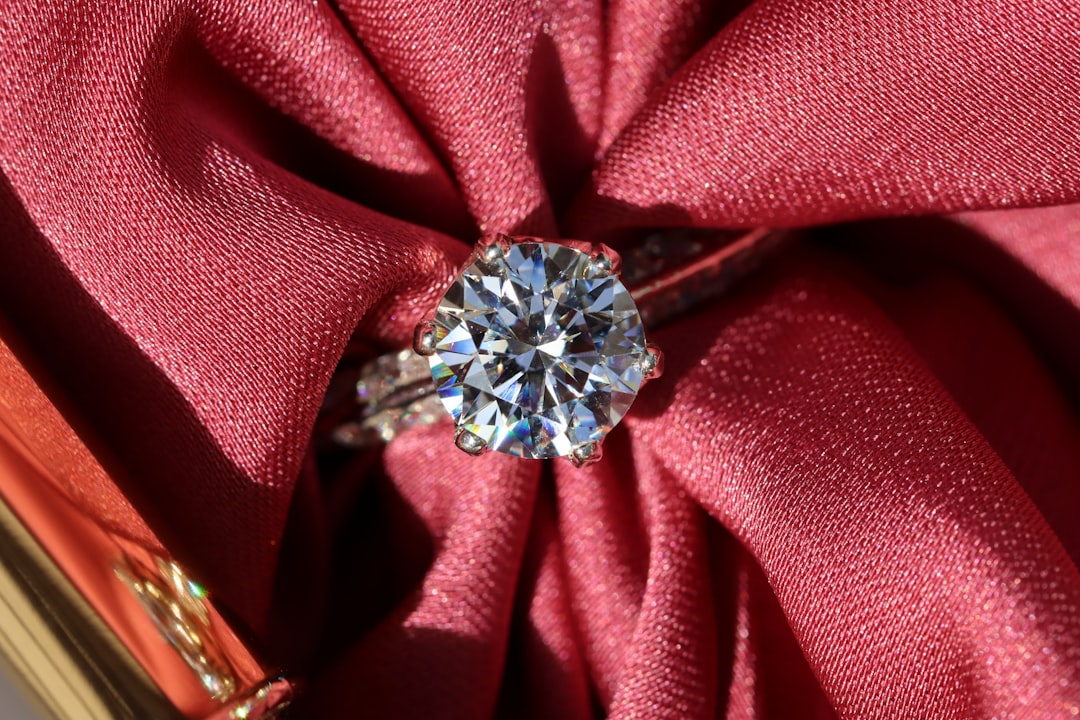
Want to go deeper on center stones? Read Why Solitaire Diamond Rings are the Gold Standard for Proposals.
Designing a Custom Wedding Band
If you have a specific vision in mind, or if your engagement ring requires a perfectly matching, contoured band that doesn't exist in a standard catalog, custom design is the ideal route.
- Initial Consultation: Sit down with a designer to share your ideas, sketches, or Pinterest inspiration. You'll discuss metals, gemstone options, and how the band will sit against your engagement ring.
- CAD Modeling: A precise Computer-Aided Design (CAD) digital model of your ring lets you view the design from every angle and make adjustments before any physical work begins.
- 3D Printed Wax Models: Once you approve the CAD design, a physical 3D wax model lets you try the ring on, see how it fits against your engagement ring, and confirm the scale is exactly right.
- Casting and Finishing: The ring is cast in your chosen metal, your diamonds or gemstones are hand-set, vintage details like milgrain are added, and the final high-polish or matte finish is applied.
- Personalized Engraving: Make your ring truly unique with a custom engraving inside the band — your wedding date, initials, or a short, meaningful phrase.
Ready to create something one-of-a-kind? Learn how our process works on the custom design page.
Smart Shopping: In Person vs. Online
While online shopping offers convenience, buying a wedding ring is a highly tactile and personal purchase that benefits immensely from an in-person experience.
- Hands-On Fitting: Try on dozens of styles to see how they look on your hand and feel against your skin.
- Expert Guidance: Get the nuances of diamond quality and metal durability explained face-to-face.
- True Color and Scale: Photos online can be misleading. Seeing a gemstone's true color and a band's actual width in person prevents unwelcome surprises.
Women's wedding bands span a wide price range. Simple metal bands can start around $150 to $300, while intricate diamond eternity bands or custom-designed pieces can range from $1,500 to $5,000 or more.
Frequently Asked Questions About Women's Wedding Bands
What is the difference between an engagement ring and a wedding band?
An engagement ring is typically given during a proposal and usually features a prominent center stone. A wedding band is a simpler band exchanged during the wedding ceremony. Traditionally, the wedding band is placed on the finger first so that it sits closest to the heart, with the engagement ring stacked on top. Some brides choose to wear two wedding bands — one on either side of the engagement ring — to create a balanced "bridal suite" look.
How do I find my correct ring size?
The best way to find your ring size is to have it professionally measured by a jeweler using specialized sizing rings of varying widths. Your fingers can swell or shrink depending on the temperature, time of day, and humidity, so an expert will help you choose a size that feels secure but comfortable year-round.
What is the best metal for long-term daily wear?
Platinum is widely considered the best metal for long-term daily wear because of its incredible density and durability. Unlike white gold, which requires rhodium replating to maintain its color, platinum is naturally white and will never fade. However, 14K white, yellow, and rose gold are also excellent, highly durable choices that hold up beautifully to daily wear.
Find Your Dream Wedding Band at The Golden Gem
At The Golden Gem, wedding bands aren't a sideline — bridal is all we do. Whether you're drawn to a classic diamond pavé band, a modern stackable ring, or a completely custom piece designed from scratch, our team is here to guide you through every step, one-on-one.
Book an appointment to try on styles in person, explore our wedding bands and engagement rings, or start your own design on our custom design page.